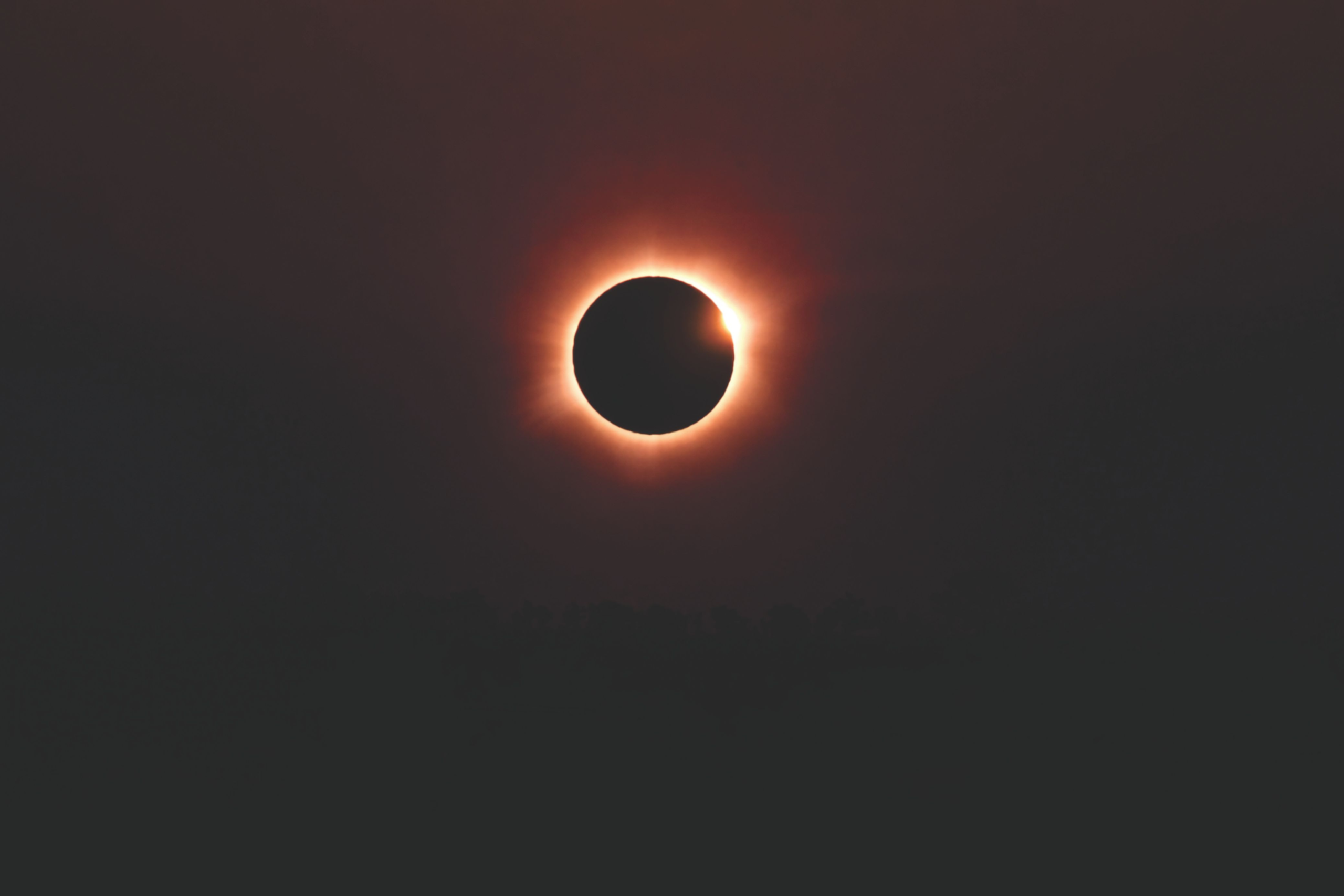
Today, August 12, 2026, is proving to be one of the most extraordinary days in recent cruise history. The cruise lines total solar eclipse positioning strategy has scattered ships across the Atlantic and Mediterranean, from Greenland to southern Spain, all racing to place passengers directly in the narrow path where the moon completely blocks the sun.
This eclipse is genuinely rare. It marks the first total solar eclipse to touch mainland Europe since 1999, and Reykjavik specifically hasn’t experienced one in nearly six hundred years. Since much of today’s path of totality passes over open ocean rather than land, cruise ships have become one of the single best ways to actually witness the event, offering unobstructed views without competing for space on a crowded beach or hillside.
Carnival Cruise Line joined the eclipse fleet with its first-ever dedicated solar eclipse sailing. The 2,124-passenger Carnival Legend departed Dover, England, on an 11-day “Eclipse, Spain, Portugal & France” cruise, calling at Le Havre, Guernsey, Vigo, Lisbon, and Porto before positioning off the Spanish coast on a sea day timed precisely for totality. It’s a genuinely notable moment for a line better known for tropical Caribbean fun than astronomical bucket-list travel.
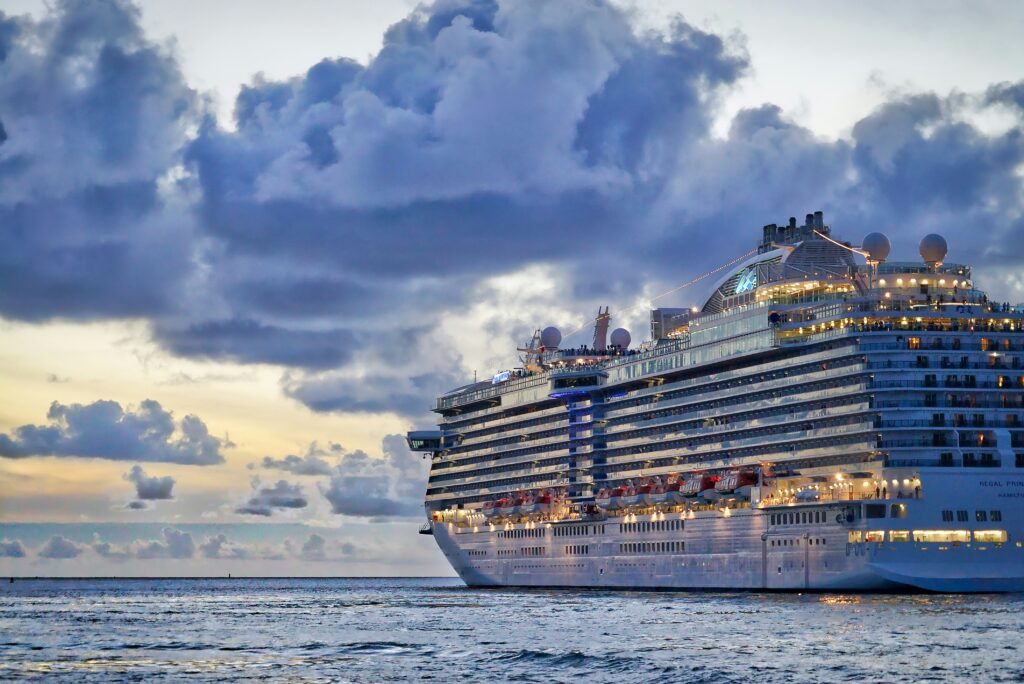
Princess Cruises went bigger than almost anyone, committing three separate ships to the event. Sun Princess and Enchanted Princess both positioned off southern Spain, while Sky Princess did the same off northern Spain, giving guests roughly two minutes and 18 seconds of totality. Princess president John Padgett called cruise ships simply the best way to witness a total solar eclipse, pointing to past guest reactions on earlier eclipse sailings as validation. Between the three ships, Princess offered itineraries ranging from seven to 21 nights, departing from Barcelona, Athens, Rome, and Southampton.
Royal Caribbean sent Liberty of the Seas on a nine-night “Spanish Flair & Solar Eclipse” round-trip voyage from Southampton, carrying 3,798 guests to a designated sea day between Lisbon and Vigo timed for the eclipse, paired with the line’s usual Broadway-caliber entertainment. Celebrity Cruises positioned Celebrity Silhouette off the coast of Iceland instead, folding eclipse viewing into a broader series of seven-night Iceland and Greenland sailings departing Reykjavik.
Holland America Line committed three ships to the moment. Nieuw Statendam is sailing a 28-day voyage combining a near-circumnavigation of Iceland with stops in Greenland and Scotland, Zuiderdam’s 35-day “Legendary Voyage of the Vikings” cruise similarly positioned off Iceland, and Oosterdam offered a 13-night Mediterranean eclipse itinerary from Lisbon. All three carried dedicated astronomy experts onboard, including Boston University professor Meers Oppenheim.
Cunard sent three of its four Queens into position. Tom Mahoney, the line’s UK managing director, called it a chance to feel genuinely inspired by nature’s spectacle. Queen Mary 2 threaded through Norway’s fjords, while other Cunard voyages placed guests in Reykjavik harbor overnight for the event.
Expedition and luxury lines pushed into even more remote territory. HX sent its MS Spitsbergen deep into Greenland’s Scoresby Sund, marking the company’s 130th anniversary of polar expeditions. Lindblad Expeditions, Quark Expeditions, Seabourn, Virgin Voyages, and Atlas Ocean Voyages all ran dedicated eclipse sailings too, spreading across Greenland, Iceland, Ireland, and the coast of Spain depending on each line’s specific itinerary and guest preferences.
What ties nearly every one of these voyages together is remarkably consistent programming. Almost every line brought aboard professional astronomers or science communicators, supplied certified eclipse glasses for safe viewing during partial phases, and built special activities, themed food and drink, and top-deck viewing parties around the main event.
Looking ahead, this won’t be cruisers’ last chance either. On August 2, 2027, what astronomers are already calling the “eclipse of the century” will cross from southern Spain through North Africa and the Middle East, lasting more than six minutes with totality reaching nearly four minutes and 45 seconds at sea in the Strait of Gibraltar. Since that eclipse falls squarely within Europe’s normal summer cruise season, expect an even wider range of cruise lines to build it directly into their regular itineraries without needing the kind of special planning seen today.
For American travelers who missed today’s celestial spectacle, the takeaway is clear. Cruise lines across every category, from mainstream giants like Carnival and Royal Caribbean to luxury and expedition specialists, now treat rare astronomical events as genuine flagship opportunities. Given how quickly interest built around today’s eclipse, anyone hoping to catch next year’s even longer “eclipse of the century” from the deck of a ship should start looking at options soon.