Port Tampa Bay’s fourth cruise terminal just moved from paperwork to actual dirt. Crews began site preparation this month. It’s Tampa’s first new cruise terminal build in more than 25 years. Maybe you sail out of Tampa already. Maybe you’ve just been eyeing it for a future trip. Either way, this is worth paying attention to.
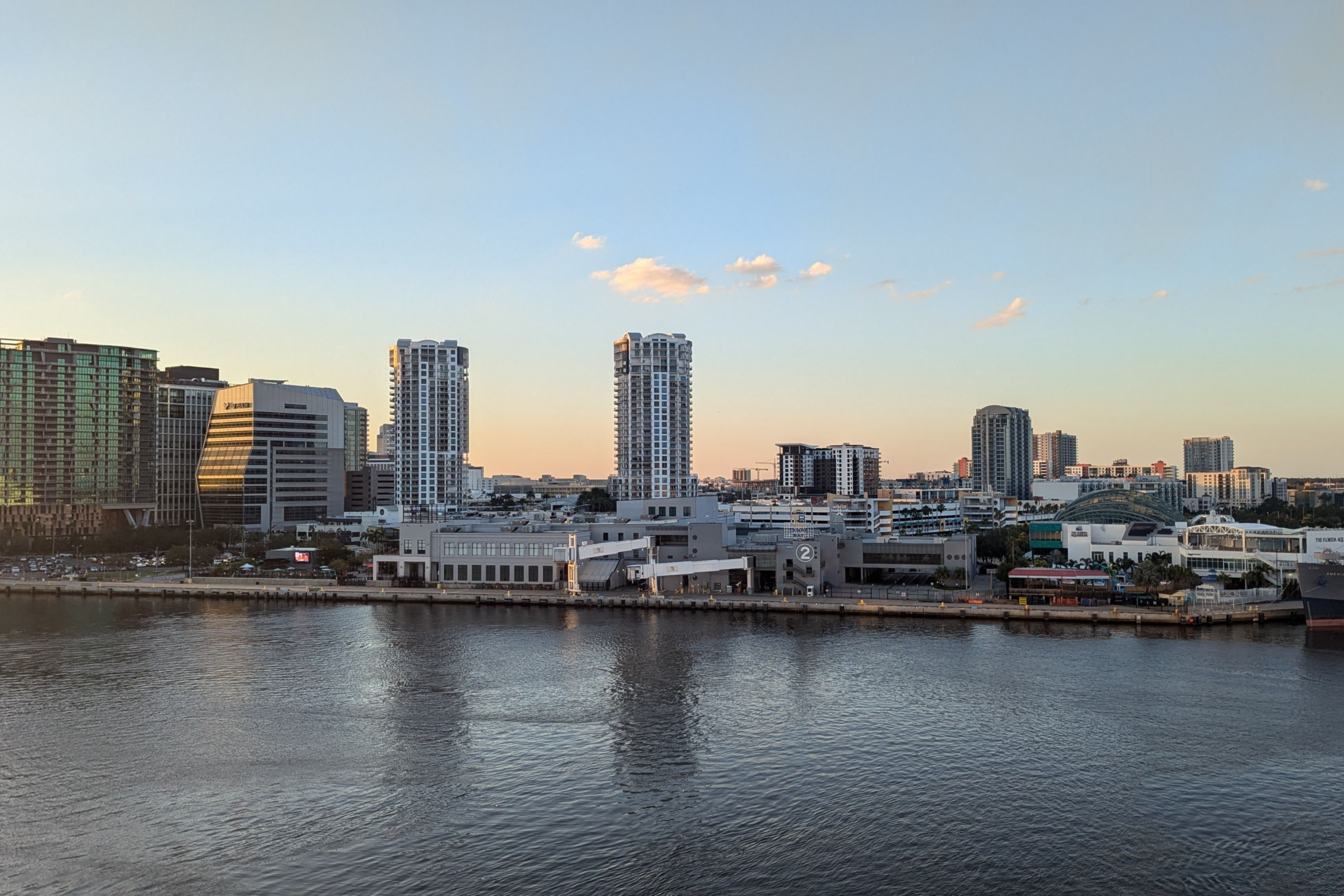
Here’s what’s physically happening right now. Contractor Kimmins Contracting Corporation is restoring more than five acres of land on the former Metroport property. That site once housed the historic Banana Docks, back when Tampa’s waterfront looked a lot different. Crews are also relocating stormwater infrastructure that currently cuts through the property. This phase is expected to run through late 2026. A settlement period follows before any vertical construction starts.
Why build a fourth terminal at all? The honest answer is simple. Tampa’s three existing terminals are already maxed out. Port officials say they’ve had to turn away cruise lines wanting to add ships. New itineraries got turned down too, simply because there wasn’t room. That’s a good problem to have in one sense. It means demand for cruising out of Tampa keeps climbing. But it also means the port has been leaving growth on the table for years. This expansion is exactly what it’s been waiting on.
The new terminal will rise on what’s currently a former marine slip. HDR and BEA Architects are designing both the terminal building and an adjoining parking garage. Port officials are targeting a 2029 completion date, so this isn’t an overnight project. Once it’s finished, though, the payoff looks substantial. The terminal is expected to support more than 200 additional annual ship calls. That would help push Tampa’s cruise passenger traffic past 2 million moves a year.
Here’s the part that might disappoint some hopeful cruisers, though. A lot of people have been assuming a new terminal means Tampa can finally host the industry’s biggest ships. That’s not actually the case. Port Tampa Bay still sits well inland of the Sunshine Skyway Bridge. Every ship sailing in or out has to pass beneath it. That bridge caps vertical clearance at roughly 180 feet above the waterline. Today’s largest megaships, the kind stacked with waterparks and multiple pools, simply don’t fit under that limit. A separate proposal floated a seaward cruise port near the bridge that could have sidestepped the height problem entirely. Florida’s governor blocked that plan earlier this year over environmental concerns. So this fourth terminal solves Tampa’s capacity problem. It doesn’t solve its ship-size problem. More ships will call here, but they’ll be the same size ships already sailing from Tampa today.
There’s also a real dollar figure attached to this. Port Tampa Bay estimates the new terminal will generate roughly 100 million dollars in additional annual economic impact. That money touches more than just the port itself. Local hotels, restaurants, parking operators, and tour companies all benefit when more ships call on a destination. For a mid-sized homeport like Tampa, that kind of investment matters. It can meaningfully shift the local economy, not just the cruise industry’s bottom line.
For everyday cruisers, the practical upside is straightforward. More terminal capacity generally means more ship and itinerary options over time. Cruise lines have been steadily expanding their Gulf Coast presence for years now. Homeports like Tampa, Galveston, and New Orleans keep pulling passengers away from the Atlantic side. The traditionally dominant Florida ports are feeling that shift. A fourth terminal gives Tampa more room to compete for that growth instead of turning ships away.
It’s also worth remembering how long these projects take from groundbreaking to grand opening. Three years is a long runway in an industry that often announces flashy new ships with much shorter timelines. Terminal construction involves far more red tape. Stormwater systems, marine engineering, and permitting all move slower than a shipyard cutting steel for a hull. That’s simply the nature of building on a working waterfront rather than in a controlled shipyard environment.
If you’re not sailing out of Tampa anytime soon, this story might feel a little abstract. Fair enough, a five-acre construction site isn’t exactly a beach day. But it’s part of a bigger pattern worth watching, one playing out at homeports across the country right now. Cruise demand keeps outpacing the infrastructure built to support it, port after port, coast after coast. Every new terminal, gate, or berth is really a bet on years of future growth. Tampa just placed a fairly big one. By 2029, it should start paying off. That’s true even for cruisers who’ve never set foot in Florida before.